


Otorhinolaryngological Examination for Adults/Children is an essential procedure for the prevention, diagnosis, and treatment of conditions related to the ears, nose, and throat. Since disorders in these areas directly affect daily life and quality of life, examination by an ENT specialist is crucial for early detection and effective treatment.
Otolaryngological examination of adults/children
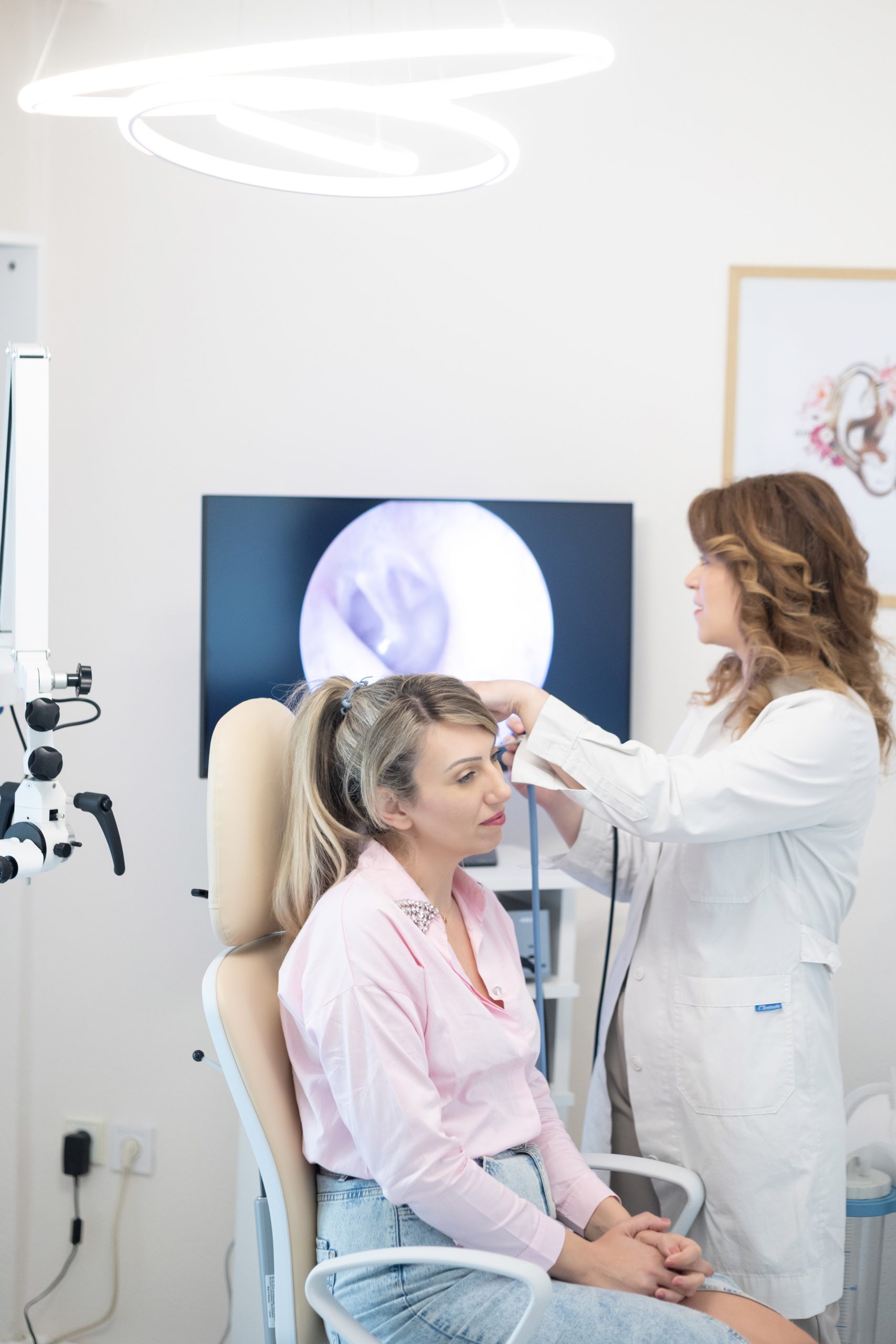
Regular Otorhinolaryngological Monitoring is particularly important for individuals with chronic conditions, smokers, people working in noisy environments or spaces with chemical pollutants, as well as for those who frequently experience problems with breathing, voice, or hearing. This regular check-up helps in the early detection of any issues, allowing for timely intervention and prevention of further complications.
This examination aids in the early diagnosis, timely treatment, and prevention of more serious health issues related to the upper respiratory system. By identifying potential problems early, it helps prevent complications that could significantly impact a person's health and quality of life, particularly in areas such as breathing, voice, and hearing.
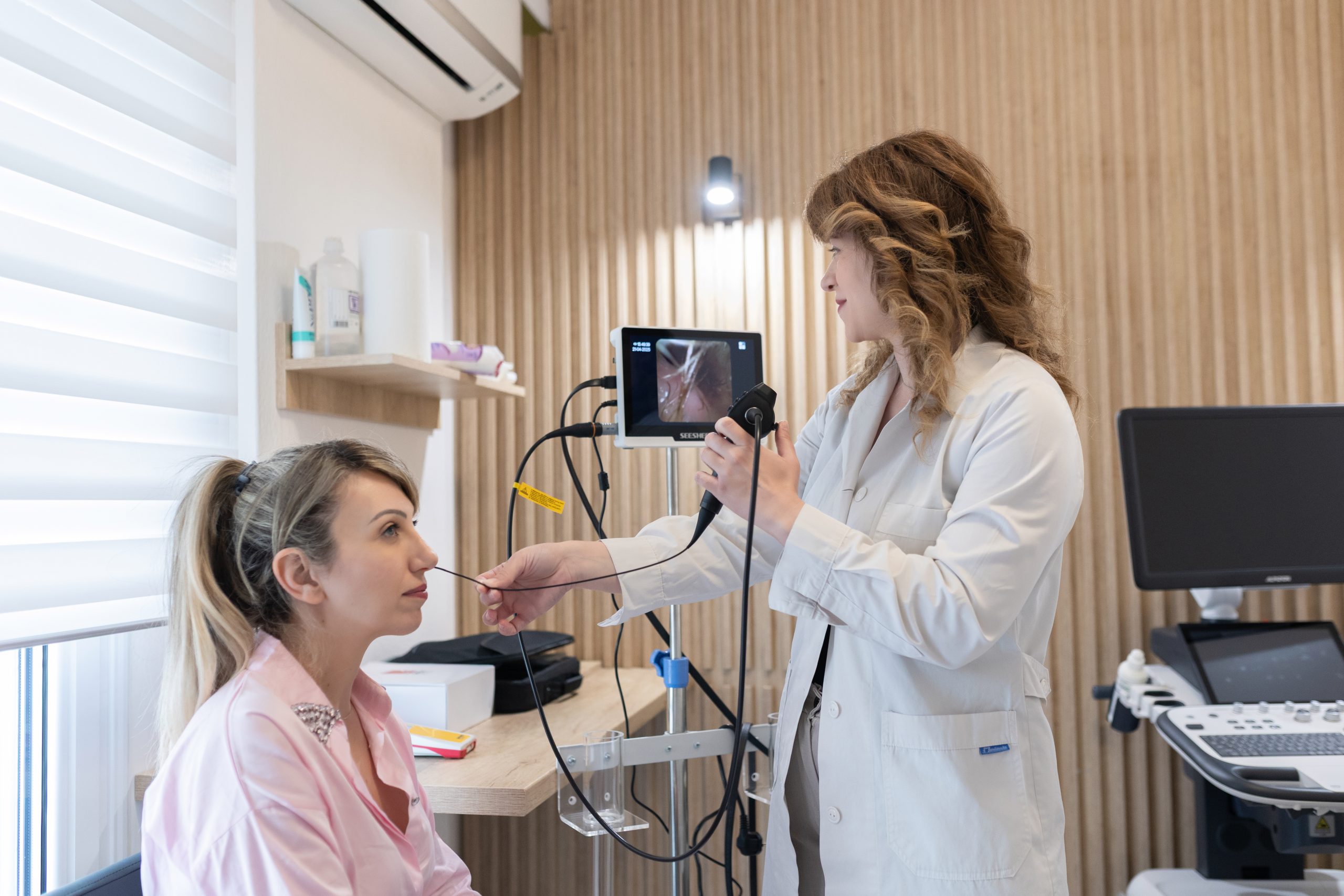
The typical otorhinolaryngological examination includes:
- 1. Hearing Assessment: Hearing evaluation is crucial, as hearing loss can develop gradually and may not be noticed by the patient themselves. The examination usually includes checking for ear infections such as otitis, congestion, or other conditions, as well as assessing hearing using specialized tools (e.g., tympanogram, audiogram, otoacoustic emissions – DPOAE/TPOAE, auditory brainstem responses – ABR).
- 2. Nose and Paranasal Sinus Examination: Nasal health assessment is important for managing allergies, nasal polyps, or chronic sinusitis. The otorhinolaryngologist examines the nasal cavity for any congestion, secretions, or other conditions that may affect breathing and the overall health of the patient.
- 3. Pharynx and Larynx Examination: The evaluation of the pharynx/larynx includes observing for signs of inflammation, malignancies, or other abnormalities. Especially in smokers or individuals exposed to occupational hazards, regular monitoring is essential for the prevention of laryngeal cancer.
- 4. Diagnostic Tests: Depending on the patient's symptoms, the doctor may proceed with specific diagnostic tests, such as endoscopies, radiological exams, CT scans, or MRI scans, for a comprehensive evaluation of the condition and the diagnosis of potential disorders.
- 5. Voice and Breathing Assessment: The evaluation of breathing and voice can reveal issues such as sleep apnea or chronic pharyngitis, as well as other disorders affecting the function of the upper respiratory system.